10 September 2024
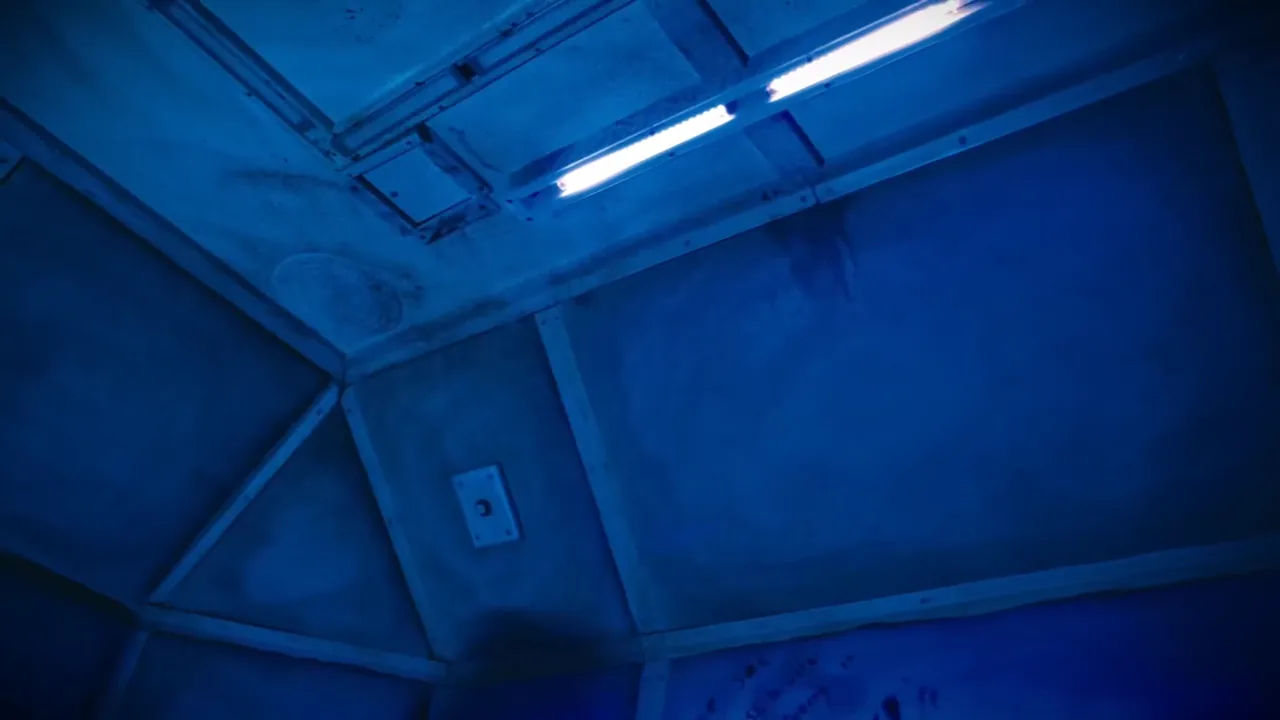
Tuesday. Mood lighting. I spent the day on mood lighting, and the mood I have settled on is: dark.
Patients do their best work in the dark. They listen harder. They hold hands. They tell each other things they would never say under a strip light. Then, now and again, the light flashes, very briefly, and they see the cell all at once, and they remember where they are. It is SO therapeutic.
I should say, because my notes must be complete: patients who are troubled by flashing light, or who have epilepsy, ought to book a different practice altogether. I would miss them terribly. But I would rather miss them than worry about them, and I do worry, in my own way.
There is no smoke in my cell. None. Patients with wheezy chests may breathe as deeply as they like. The only thing hanging in the air in here is the smell of bleach, and that, I promise, is entirely in the story.
Tonight’s group asked me to turn the lights on. I said that was a lovely thing to want, and wrote it down.
— Your Therapist